From Specimens to Findings: The Path of a Home-Based Paternity Test
The procedure of an at-home paternity test consists of multiple structured steps, commencing with the gathering of specimens. Cheek swabs from both the alleged father and child act as the primary material for DNA examination. After the specimens arrive at the lab, sophisticated methods are used to analyze genetic indicators. The outcome can disclose vital information about genetic relationships, however the significance of these discoveries can be deeply impactful. Understanding the journey from samples to results is essential for all involved.
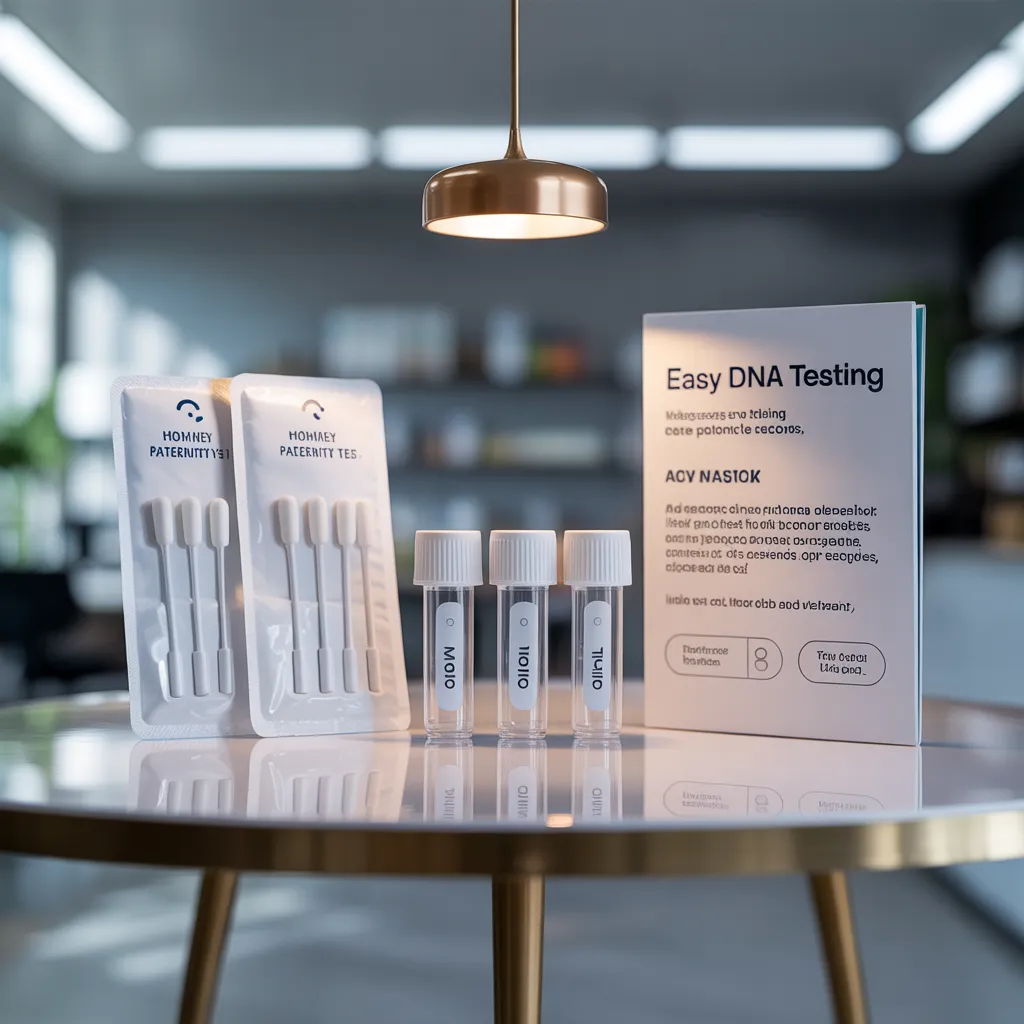
How Home Paternity Tests Work
Home paternity tests operate by utilizing simple yet effective methods to determine biological relationships. These tests examine DNA specimens obtained from the relevant individuals, typically the alleged father and child. The testing commences with the extraction of DNA from the samples, often taken from cheek swabs. The DNA is then begin here analyzed to detect particular genetic markers that are passed down from biological parents.
Every individual possesses unique DNA, and by analyzing these markers, the test can establish the likelihood of paternity. Results are usually presented as a percentage indicating the likelihood of a biological relationship. A high percentage, generally exceeding 99%, indicates a strong likelihood of paternity, while lower percentages suggest the absence of a biological relationship. This accessible method allows people to seek clarity on familial relationships from the comfort of their own homes, making paternity testing more available than ever before.
Collecting Samples: Step-by-Step Instructions
Collecting samples for a paternity test is a straightforward process that necessitates careful and precise attention. First, participants must gather the necessary materials, which usually comprise buccal swabs, detailed instructions, and an envelope for sample collection. Each individual involved should thoroughly wash their hands before starting to minimize the risk of contamination.
After that, the oral swab is used to collect cells by carefully rubbing it against the inside of the cheek for about 30 seconds. This needs to be completed for each person providing a sample, taking care that the swabs avoid contact with each other. After collecting the samples, participants need to allow the swabs to air dry for a few minutes.
Once dried, the swabs need to be placed in the provided envelope, which should be labeled correctly. Finally, the completed envelope must be sent to the assigned laboratory for testing, ensuring that all guidelines are adhered to precisely to avoid any issues during analysis.
What Will You Experience During Testing?
Once the samples have been sent to the laboratory, people can expect a structured testing procedure that adheres to strict protocols. Laboratories utilize advanced DNA analysis techniques to deliver reliable findings. All samples receive a careful and detailed assessment, where genetic material is isolated and replicated to detect specific genetic indicators.
The examination typically involves evaluating the DNA profiles of the presumed father and child. This evaluation identifies whether a biological connection is present, with outcomes derived through a sequence of automated processes and manual verifications for quality assurance.
The whole process is designed to copyright integrity and confidentiality, with outcomes securely stored and shared only with authorized individuals.
Typically, the testing process takes anywhere from a few days to several weeks, based on the lab's workload and procedures. Therefore, while people wait, they can be confident that their samples are being processed with the highest level of care and accuracy.
Making Sense of Your Home Paternity Test Results: What They Mean for You
How does one interpret the results of a home paternity test? Interpreting these results is crucial for people seeking answers regarding paternity. Generally, results are displayed as a percentage probability, showing the probability of the tested male being the birth father. A result of over 99% typically establishes paternity, while a result of under 1% points to non-paternity.
Alongside the numerical percentage, the report may contain a detailed breakdown of DNA marker data analyzed between the child and the alleged father. Each genetic marker highlights genetic commonalities, reinforcing the understanding of the findings.
It is crucial for those involved to handle the results with caution, recognizing their emotional weight. The implications can be considerable, shaping personal identities and familial relationships. As a result, processing these results is essential not only for legal considerations but also for mental and emotional health.
Preserving Privacy and Precision in Home Testing
Precision is just as important; inaccurate findings may result in emotional hardship and legal issues. Testing facilities ought to implement trusted approaches and comply with standardized processes to limit inaccuracies. Precise guidelines for specimen gathering and delivery assist in avoiding contamination or misidentification.
Moreover, consumers are encouraged to select credible service providers that emphasize both confidentiality and reliability. Honest disclosure of data management practices and testing methods can establish credibility. When focusing on these factors, people can undertake home paternity testing with assurance, with certainty that their private details are secured while receiving reliable results that inform their personal decisions.
Frequently Asked Questions
Are At-Home Paternity Tests Accepted as Legal Evidence in Court?
Home-based paternity tests are generally inadmissible in court unless conducted under specific requirements, including proper chain of custody procedures and the use of accredited labs. Courts often require tests performed by qualified specialists for valid proof in court cases.
How Long Does It Take to Receive Results?
Home paternity test results generally take anywhere from 2 to 5 business days to arrive. That said, certain companies may provide expedited services that could reduce this timeframe based on the particular testing method used.
Am I Able to Run a Test Using Non-Biological Samples?
Certainly not, a paternity test is unable to be reliably conducted with non-organic samples. Exclusively biological substances, such as blood or saliva, contain the required DNA for dependable results, confirming correct identification of genetic connections.
What Should I Do When Results Are Inconclusive?
If results are inconclusive, one should consider repeat the test with new samples, while ensuring correct collection and handling procedures are followed. Seeking guidance from a professional laboratory may provide the necessary clarity and direction, strengthening the reliability of the paternity determination results.
Are There Age Restrictions for Testing Participants?
Age restrictions do exist for testing participants. Generally, participants must be a minimum of 18 years of age to provide samples independently. Underage individuals typically need approval from a guardian or parent before proceeding with testing.