Is a Home Paternity Test the Right Choice for You? Advantages and Disadvantages
The choice to utilize a home paternity test is complex. It offers convenience and privacy, appealing to those seeking quick answers. Yet, the risks of inaccuracies and emotional consequences can complicate matters. Furthermore, these tests are not legally recognized, which calls their dependability into question. Grasping these considerations is of utmost importance. What would be the wisest approach for people navigating these difficult circumstances?
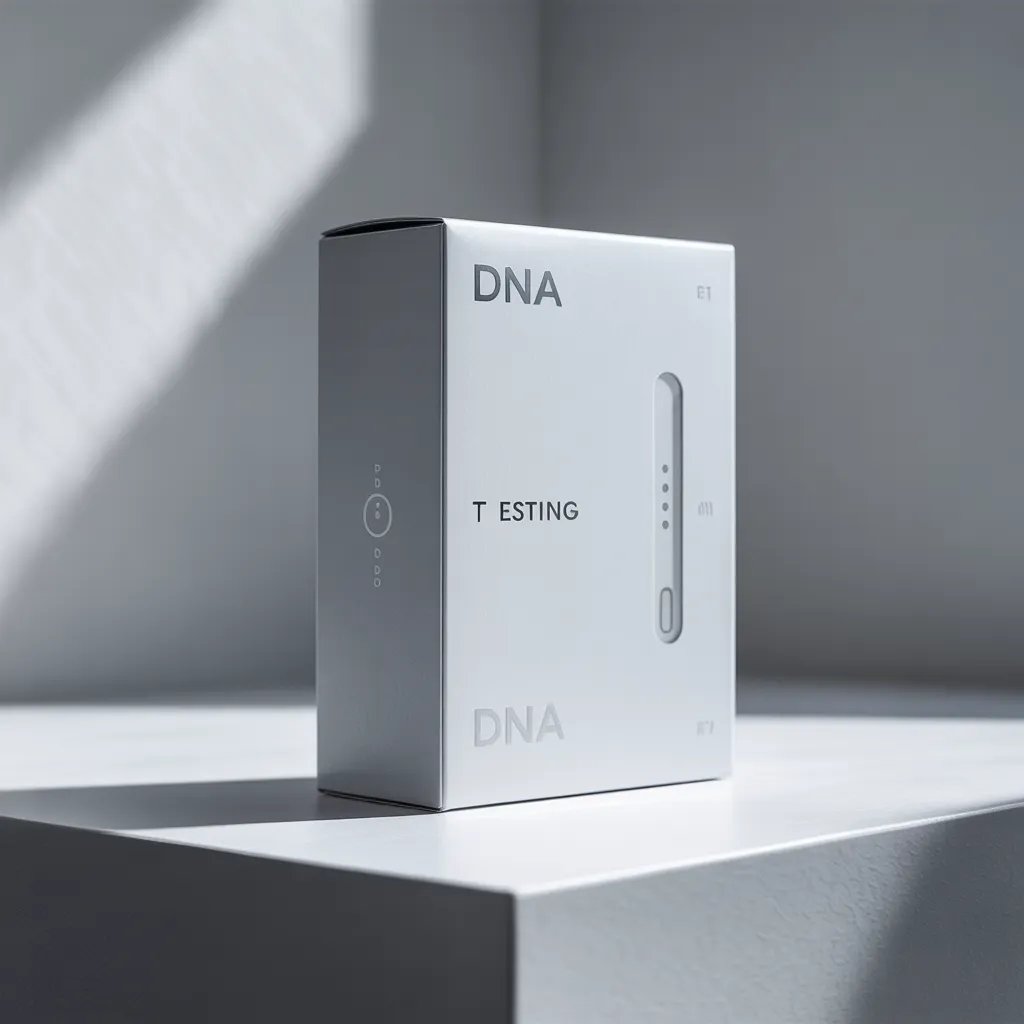
How Home Paternity Tests Work
Home paternity tests simplify the method of identifying biological relationships through a simple approach. Typically, these tests involve collecting DNA samples from the people being tested, commonly via cheek swabs. Participants adhere to the included guidelines to ensure correct sample gathering and processing. When the specimens have been obtained, they are sent to a specialized testing facility for processing.
At the testing facility, DNA is isolated and analyzed to assess genetic similarities. The examination procedure utilizes advanced techniques to detect indicators of a genetic connection. Findings are typically delivered within a couple of days, providing clarity to those seeking answers about parentage.
Although home paternity tests provide convenience and discretion, it is critical for individuals to be aware that these tests are designed for informational use and may not hold legal standing. Those seeking official results for legal proceedings may need to obtain accredited testing from certified facilities.
The Key Benefits of At-Home Paternity Testing
What makes a home-based paternity test? Many individuals seek the ease and discretion that these tests present. This type of paternity testing allows for confidential sample gathering, generally including easy-to-use cheek swabs, which are able to be conducted without the need for a medical professional. This accessibility makes it easier for individuals to obtain results at their own pace and in a familiar environment.
Furthermore, home tests are often more affordable compared to laboratory tests, making them a desirable option for those on a budget. The time needed for results is often faster, typically yielding answers within a few days.
Additionally, these tests help reduce personal uncertainty by offering clear insight regarding paternity, which can be crucial for personal and legal circumstances. All in all, home paternity testing provides a practical solution for individuals in search of answers while avoiding the complexities of formal testing facilities.
The Dangers of At-Home Paternity Testing
Although home paternity testing offers considerable convenience, important risks must be carefully considered. One major issue relates to the precision of the findings. Home tests may not always adhere to the same rigorous standards as laboratory tests, leading to false positives or negatives. Furthermore, incorrect sample gathering can undermine the accuracy of the findings, as contamination or inadequate handling might skew findings.
Another risk involves data privacy and security. Many home testing kits require users to submit personal information, which may be susceptible to breaches or unauthorized use. Furthermore, individuals may face unexpected emotional consequences, given that results have the potential to cause family tension or psychological distress.
Finally, the legal implications of home testing should be taken into account. Data from these tests are often not valid in a court of law, limiting their utility in legal matters. All things considered, while home paternity testing presents convenience, the associated risks warrant careful consideration.
Emotional and Legal Considerations of Paternity Testing
Grasping the psychological and legal aspects of paternity assessment is vital for those thinking about a home test. The emotional impact from discovering unanticipated findings can be far-reaching, affecting connections among parents, children, and extended family members. Those involved must be prepared for the possibility of experiencing confusion, anxiety, or distress that may stem from the results of the test.
From a legal standpoint, the ramifications can also be significant. The results of a home paternity test may not be admissible in court, possibly creating complications in custody or child support cases. Therefore, individuals thinking about these tests should seek legal counsel to fully understand their rights and options. Moreover, confirmed paternity may result in responsibilities related to child support and inheritance, presenting yet another level of complication. At the end of the day, a thorough understanding of both the emotional and legal dimensions is vital for effectively managing the possible consequences of paternity testing.
Is a At-Home Paternity Test Right for You?
Determining whether a home paternity test is appropriate involves careful consideration of various factors. Those thinking about pursuing this route should carefully assess their reasons, as emotional implications can be significant. Home testing provides both convenience and discretion, but it does not carry the legal validity of professional lab tests, which are commonly mandated in legal matters involving custody or financial support.
Additionally, accuracy remains a critical aspect to evaluate; while most home testing options are dependable, variations in results can happen. Individuals should also weigh the likely influence on household dynamics, as results may lead to unexpected consequences. Additionally, the financial value of home testing should be evaluated against the possible requirement for subsequent legal verification.
Ultimately, a thoughtful evaluation of one's own circumstances, emotional preparedness, and long-term implications is crucial. Speaking with a specialist may help clarify the situation, allowing individuals to make a well-informed choice about whether a paternity test at home is the right fit for their situation.
Answers to Your Most Common Questions
How Accurate Are Home Paternity Tests Compared to Lab Tests?
Home paternity tests generally provide precision rates of over 95%, similar to laboratory tests. That said, factors like the quality of the sample and testing procedures can influence results. When seeking reliable conclusions, certified lab analysis is still considered the gold standard.
Can I Trust the Privacy of Home Paternity Test Results?
Trust in the privacy of home-based paternity test results varies by organization. Reliable providers enforce strict confidentiality safeguards, but consumers should review policies and user reviews to confirm sensitive details stays secure throughout the procedure.
What Is the Price Range for Home Paternity Tests?
Home paternity testing kits generally cost from $100 to $500, according to the details service provider and the intricacy of the testing process. Additional expenses may occur for rush results or specialized testing options, influencing the final price.
How Long Will It Take to Obtain Results From a Home Test?
Home paternity test results usually take three to seven days. Certain laboratories provide faster processing options, yielding results in as little as one or two days, depending on how quickly the laboratory processes samples.
Are Home Paternity Tests Legal in All States?
At-home paternity tests are typically legal across all states; however, specific regulations and guidelines may vary. Individuals must verify applicable local laws and confirm compliance with all necessary legal requirements prior to proceeding.