From Collection to Conclusions: The Process of an At-Home Paternity Test
The method behind a home paternity test follows a series of systematic steps, starting with sample collection. Oral swabs collected from both the presumed father and child act as the primary material for DNA examination. After the specimens arrive at the lab, cutting-edge procedures are utilized to evaluate genetic markers. The findings can uncover essential details regarding biological connections, yet the consequences of these results can be far-reaching. Grasping the path from sample gathering to conclusions is crucial for all parties concerned.
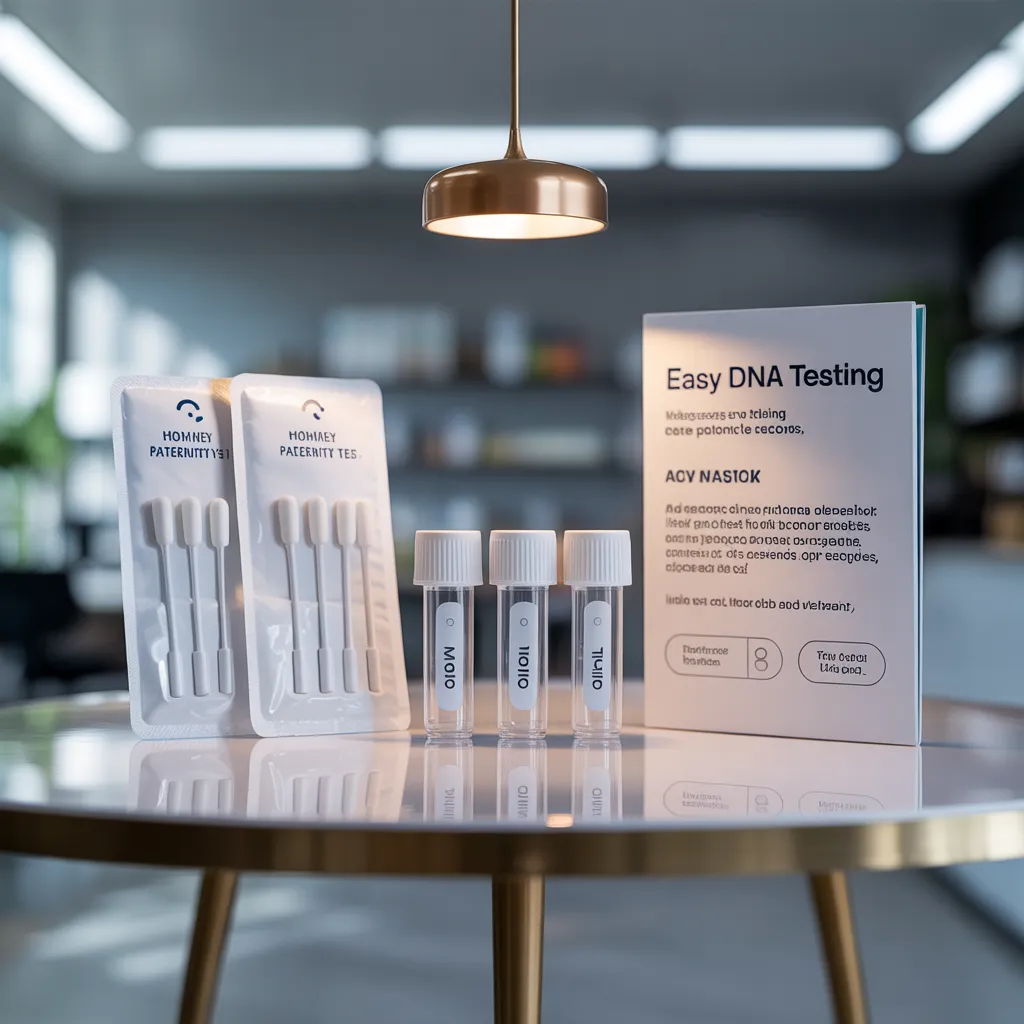
How Home Paternity Tests Work
At-home paternity tests work by utilizing simple yet effective methods to identify biological ties. These tests analyze DNA samples collected from the individuals involved, typically the presumed father and offspring. The process begins with the isolation of DNA from the collected samples, commonly gathered through cheek swabs. The DNA is then compared to identify specific genetic markers that are passed down from biological parents.
Each individual carries unique DNA, and by analyzing these markers, the test can assess the probability of a paternal relationship. Results are typically expressed as a percentage reflecting the probability of a biological connection. A high percentage, generally exceeding 99%, indicates a strong likelihood of paternity, while lower percentages indicate a lack of biological connection. This accessible method allows people to seek clarity on familial relationships from the comfort of their own homes, making paternity testing more available than guide ever before.
Collecting Samples: Step-by-Step Instructions
Collecting samples for a paternity test is a straightforward process that necessitates careful and precise attention. To begin, those involved must collect the required materials, which usually comprise buccal swabs, detailed instructions, and an envelope for sample collection. Every person participating should carefully wash their hands prior to beginning to minimize the risk of contamination.
Next, the cheek swab is used to collect cells by carefully rubbing it against the inner cheek surface for about 30 seconds. This needs to be completed for each individual submitting a sample, making sure the swabs remain separate from one another. Once the samples have been collected, participants need to allow the swabs to air dry for a few minutes.
Once dried, the swabs should be placed in the provided envelope, which should be labeled correctly. Lastly, the sealed envelope must be sent to the specified laboratory for examination, making sure that all instructions are followed accurately to eliminate any complications during the testing process.
What Should You Anticipate During Testing?
Upon submitting the samples to the laboratory, individuals can anticipate a systematic testing process that follows rigorous standards. Labs employ sophisticated DNA examination methods to ensure precise outcomes. All samples receive a careful and detailed assessment, where genetic material is isolated and replicated to identify genetic markers.
The process typically involves comparing the DNA profiles of the alleged father and child. This evaluation identifies whether a biological connection is present, with outcomes derived through a sequence of automated processes and manual verifications for quality assurance.
The entire process is structured to maintain privacy and integrity, with results securely stored and shared only with permitted personnel.
Generally, the testing process takes anywhere from a few days to several weeks, subject to the testing facility's workload and procedures. As a result, while individuals await results, they can rest assured that their samples are being treated with the utmost care and precision.
Making Sense of Your Home Paternity Test Results: What They Mean for You
How can one interpret the results of a at-home paternity test? Interpreting these results is crucial for people seeking answers regarding parentage. Typically, results are presented as a probability percentage, indicating the likelihood of the tested male being the birth father. A result above 99% usually verifies paternity, while a result of under 1% indicates non-paternity.
Alongside the percentage, the document may include a breakdown of DNA markers analyzed between the child and the alleged father. Each marker reflects genetic similarities, supporting the overall interpretation of the test results.
It is important for people to approach the results with care, recognizing their emotional impact. The consequences can be substantial, shaping family bonds and individual identity. As a result, comprehending these results is essential not only for legal purposes but also for mental and emotional health.
Ensuring Privacy and Accuracy in At-Home Testing
Accuracy is equally critical; erroneous outcomes can cause emotional turmoil and legal challenges. Labs must employ dependable techniques and follow established protocols to reduce mistakes. Detailed directions for sample procurement and submission serve to prevent contamination or incorrect identification.
Moreover, consumers are encouraged to consider credible testing services that prioritize both confidentiality and reliability. Clear communication regarding testing methodologies and data handling practices can build confidence. Through emphasizing these elements, people can undertake home paternity testing with assurance, knowing their personal data is protected while obtaining accurate outcomes that guide their individual choices.
Common Questions and Answers
Can Home Paternity Tests Be Used as Legal Evidence in Court?
Home paternity tests are typically not legally admissible in court without specific protocols, including a chain of custody process and certified laboratory standards. Courts typically demand tests conducted by qualified specialists for credible documentation in court cases.
How Long Does It Take to Receive Results?
The turnaround time for home paternity tests is typically between 2 to 5 business days. Nevertheless, select companies may have rush processing options available, which could shorten this window depending on the testing method utilized.
Is It Possible to Conduct a Test Using Non-Biological Samples?
Negative, a paternity test will not be accurately performed with non-biological samples. Only biological materials, such as blood or saliva, contain the required DNA for accurate results, ensuring proper identification of biological relationships.
What Steps Should I Take if Results Are Inconclusive?
When results remain inconclusive, one ought to repeat the test with new samples, ensuring proper collection and handling. Seeking guidance from a professional laboratory can offer clarity and expert guidance, strengthening the reliability of the paternity determination results.
Are Testing Participants Subject to Age Restrictions?
Yes, age restrictions exist for testing participants. In most cases, a person must be at least 18 years old to provide samples independently. Minors usually require consent from a parent or legal guardian before proceeding with testing.