The Growth of At-Home Paternity Testing: Reliability, Discretion, and Accessibility
The increasing prevalence of residential paternity testing reflects a considerable transformation in how people approach parentage verification. With reliability rates commonly reaching beyond 99%, these tests provide a convenient method for collecting DNA samples. However, significant concerns about privacy about personal genetic information are still widespread. As a growing number of families consider these tests, it is important to weigh the impact of privacy, accuracy, and emotional impact. Which considerations should guide them in determining the right course of action?
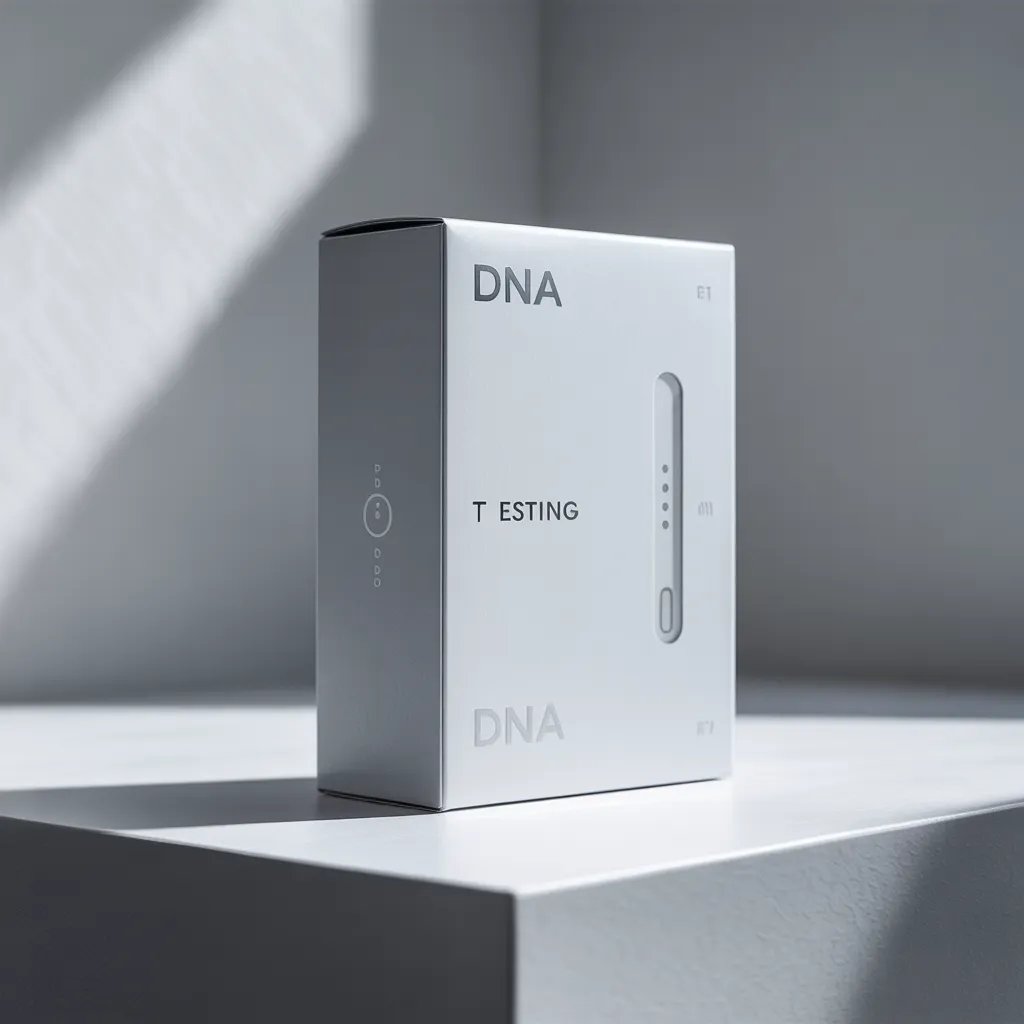
How Do At-Home Paternity Tests Work?
Residential paternity tests commonly work by means of an uncomplicated method that involves gathering DNA specimens. People are provided with a test kit containing swabs designed to gather cheek cell samples, generally from the alleged father and the child in question. Users are instructed to gently rub the swabs inside their cheeks in order to collect an adequate amount of genetic material. Once the specimens have been gathered, the swabs are secured in provided containers before being mailed to a lab for examination.
Within the lab, the DNA is isolated and studied to pinpoint particular genetic indicators. The examination contrasts the DNA profiles of the child and the alleged father to determine paternity. Results are usually available within a few days, and the procedure is intended to remain user-friendly, ensuring minimal discomfort. The ease of at-home testing resonates with many people, enabling people to find results in the privacy of their own environment. This procedure highlights the examination's increasing recognition as a reliable option for establishing paternal identity.
How Accurate Are Home Paternity Tests?
What level of accuracy do home paternity tests provide in establishing biological relationships? Generally, these tests claim to offer a high accuracy rate, often exceeding 99% when conducted correctly. They analyze DNA samples from the alleged father, child, and sometimes the mother, comparing genetic markers to establish a relationship. That said, the precision of these tests can be compromised by issues like sample contamination or inadequate handling practices.
Most home tests use cutting-edge approaches similar to those used in certified facilities, yet they may lack the rigorous supervision linked to professional testing. In addition, results can fluctuate between various brands and products, emphasizing the importance of identifying a reputable provider. While home paternity tests can provide a reliable sign of biological ties, individuals should exercise discretion, recognizing that serious legal and personal consequences may arise from the findings. At the end of the day, for total assurance, consulting a certified laboratory is strongly encouraged.
What Are the Main Privacy Issues to Consider?
Although home paternity tests provide a practical method for confirming biological relationships, they also introduce notable concerns regarding privacy. The gathering and management of genetic samples, often in the form of cheek swabs or saliva samples, has the potential to cause improper access or misappropriation. Many companies do not guarantee the confidentiality of submitted samples, exposing individuals to the risk of security breaches and data exposure.
Additionally, the findings may be shared with third parties without explicit consent, amplifying concerns of social stigma or prejudice. Consumers may also be not fully aware of how their genetic data will be retained or potentially utilized for research aims.
Furthermore, the emotional consequences associated with unforeseen outcomes can complicate the domain of data privacy. Overall, while these examinations present ease and accessibility, the absence of strict regulatory oversight and transparency in data handling brings forth significant concerns about the privacy rights of individuals and ownership of their own genomic information.
How Do Test Results Affect Emotions?
The psychological impact from paternity test results can be profound and far-reaching. Individuals may experience a range of emotions, ranging from happiness read here and relief to resentment and heartbreak. For some, a positive match can validate longstanding assumptions, fostering a sense of connection and security. Conversely, a negative result may lead to feelings of doubt, confusion, and heartbreak, particularly if a familial bond is challenged.
Such feelings may reach beyond the person affected to impact bonds within the family unit. Parents may grapple with fear and guilt regarding the impact on their kids, while brothers and sisters may experience alterations in their understanding of family structure. Additionally, public stigma can worsen these sentiments, as individuals navigate societal expectations surrounding parentage. In the end, the psychological impact of paternity test results can vary significantly, highlighting the complex interplay between identity, trust, and emotional well-being.
Important Factors to Consider When Choosing a Home Paternity Test
Steering through the emotional landscape after paternity test results often leads individuals to think carefully about their next steps, particularly when deciding on a home paternity test. Several key factors require careful thought to guarantee a trustworthy and positive outcome.
First, exactness is critical; people ought to look for tests featuring high sensitivity and specificity levels. Following this, the ease of use is vital; a clear and direct collection method can minimize stress. Data protection is also a critical factor; credible firms are expected to secure the careful handling of sensitive data and results.
Expense is also a key factor; those considering the service should measure the fee against the test's legitimacy and available support. Finally, customer reviews and testimonials provide insights into the experiences of others, providing direction when navigating available choices. Through careful assessment of these elements, individuals can make informed choices that align with their needs and expectations.
Popular Questions We Receive
Are At-Home Paternity Tests Accepted as Legal Evidence in Court?
Home paternity tests are generally not legally admissible in court because of accuracy concerns and the absence of standardized procedures. Judicial proceedings commonly require testing performed by accredited laboratories for reliable legal evidence in paternity cases.
How Long Does It Take to Get Home Paternity Test Results?
Results from home paternity tests generally take anywhere from three to five days to be processed. A number of companies provide accelerated processing services, shortening the processing time to as little as 24 hours, based on the particular testing method selected.
Can I Retest if I'm Unsure of Results?
Certainly, individuals can retest if not confident in their results. It is recommended to pause briefly before testing again to guarantee accuracy. Speaking with an expert can also provide guidance on the best steps to take.
What Samples Are Needed for Home Paternity Tests?
Home paternity tests generally need cheek swabs from both the child and the presumed father, however certain kits can also accommodate blood specimen samples. Proper collection and handling of these samples are essential for accurate results.
Do Age Restrictions Apply When Testing Children?
There are typically no particular age limitations when testing children using home paternity tests. That said, acquiring approval from a legal guardian is usually mandatory, guaranteeing that the child's rights and personal privacy are honored throughout the procedure.