The Hidden Perks of DNA-Based Paternity Testing for Family Units
DNA paternity testing is often viewed as a simple approach for verifying hereditary ties. Yet, its significance reaches well beyond simple confirmation. Families can uncover meaningful emotional ties, obtain valuable health information, and investigate their heritage. These factors can significantly influence one's sense of self and family connections. As the complexities of family structures evolve, appreciating the full scope of DNA testing benefits becomes progressively vital. What unforeseen advantages might emerge from these revelations?
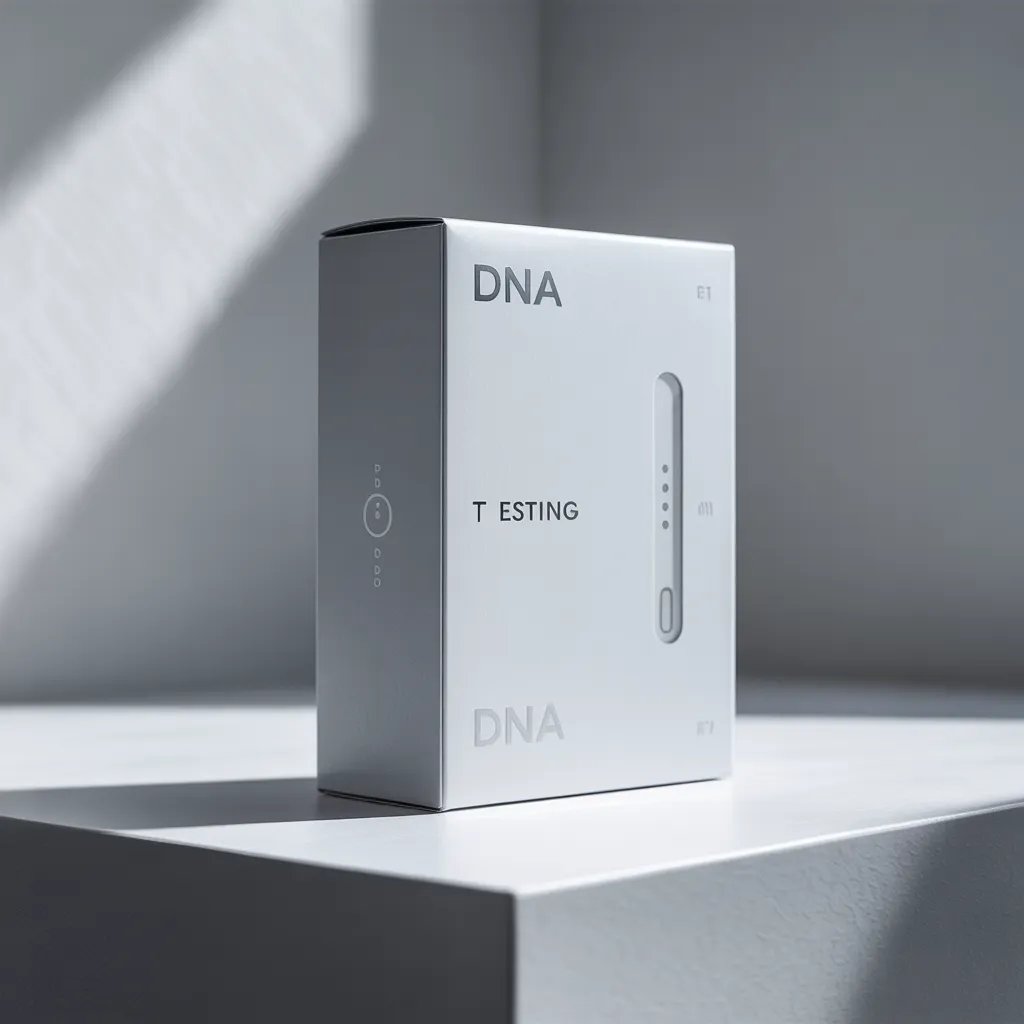
Important Things to Understand About DNA Paternity Testing
What essential factors should one consider when exploring DNA paternity testing? First, the accuracy of the testing method is paramount. Leading accredited labs typically deliver over 99% accuracy when establishing paternity. Additionally, people should evaluate the various types of tests offered, including at-home kits versus professional laboratory testing, since each comes with distinct protocols and levels of reliability. Legal considerations also deserve careful thought; tests performed for legal reasons must satisfy particular requirements and frequently necessitate a documented chain of custody. Cost is another important factor, as prices can vary widely depending on the service provider and the type of test chosen. Additionally, understanding the emotional ramifications of the results is critical, as they can greatly impact family dynamics. In conclusion, it is wise to engage with healthcare experts or genetic specialists to properly manage the nuances of paternity testing and its potential outcomes.
How DNA Testing Strengthens Family Bonds?
Genetic testing is capable of exposing biological connections that solidify familial ties, offering people a more defined sense of their ancestry. This newfound knowledge often encourages open communication among family members, fostering deeper relationships. As relatives come to terms with these findings, they have the opportunity to establish a more harmonious and nurturing dynamic.
Uncovering Biological Connections
Numerous families discover that DNA testing brings to light significant biological ties that reinforce their relationships. By revealing hereditary links, individuals often acquire more profound insight of their ancestry and familial past. This knowledge can cultivate a sense of identity and belonging, as family members identify mutual traits, health inclinations, and ancestral heritage. Furthermore, when paternity tests confirm biological relationships, they can remove skepticism and encourage trust between relatives. In instances of adoption or non-traditional family structures, DNA testing can mend disconnections, revealing ties that once seemed uncertain. As families investigate these genetic connections, they often develop a fresh sense of gratitude toward each other, strengthening emotional bonds and building a more unified family.
Fostering Open Communication
When handling complex family dynamics can prove difficult, the inclusion of paternity analysis often serves as a trigger for transparent conversation. By providing clear-cut findings, DNA testing reduces uncertainties that can strain relationships. Family members are prompted to discuss their concerns and feelings more freely, cultivating an environment of trust. Such enhanced openness can give rise to stronger bonds, as people work through their emotions together. Moreover, the act of reviewing findings together can encourage wider discussions about genealogical roots, self-identity, and a sense of belonging. As tensions diminish, connections can shift, enabling loved ones to connect over common ground rather than unresolved questions. At its core, paternity testing not only clarifies biological ties but also strengthens emotional bonds through enhanced communication and mutual comprehension.
Health Information Derived From DNA Testing
As DNA testing grows more widely available, individuals can gain valuable health insights that were previously only available to healthcare providers. DNA analysis can expose vulnerabilities to a range of genetic disorders, allowing families to adopt preventive strategies in addressing health risks. By uncovering hereditary illnesses, such as particular cancers or cardiac conditions, individuals can make informed lifestyle choices and obtain early healthcare intervention when required.
Additionally, DNA testing can supply data about copyright statuses for specific genetic disorders, which is particularly beneficial for parents-to-be. Recognizing these risks allows families to evaluate possible health risks for children in the future and make educated decisions regarding reproductive planning.
Additionally, insights gained from DNA testing can support clinicians in developing customized treatment strategies, optimizing medications, and improving the quality of patient care. Therefore, the medical knowledge derived from DNA testing not only benefit individuals personally but also promote a preventive healthcare mindset among family members.
What DNA Testing Reveals About Your Ancestry and Personal Identity
How can a simple DNA test reveal the mysteries of ancestry and personal identity? By analyzing genetic markers, DNA testing offers insights into an individual's ethnic background and familial connections. relevant resource This scientific approach enables people to trace their lineage, revealing potential geographical origins and ancestral migrations.
The outcomes commonly deliver a sharper view of an individual's ancestry, bringing people closer to distant relatives who possess related genetic markers. Furthermore, understanding one's ancestry can nurture a deeper sense of connection and self-awareness, as individuals learn about the rich cultural narratives that shaped their family.
As families explore their genetic data, they can uncover surprising links, broadening their perspective on diversity within their lineage. In the end, DNA testing functions as a remarkable tool, enabling people to navigate the rich mosaic of their ancestry while affirming their individual identity in an ever-connected global society.
Emotional Healing Through Understanding Your Roots
Exploring one's family history can lead to significant emotional healing. Many individuals find that uncovering their biological roots helps to resolve deep emotional voids caused by questions surrounding identity or familial connections. This understanding can nurture a sense of belonging, as persons identify ties to cultures, traditions, and histories that influence their identity.
Welcoming such bonds often leads to enhanced self-acceptance and individual empowerment. For people dealing with complicated family dynamics, learning about genetic backgrounds can shed light on relationships, easing feelings of confusion or loneliness.
Moreover, identifying common traits and narratives can forge connections between generations, facilitating significant dialogues and bonds with relatives. This practice of uncovering cultivates a greater connection to one's cultural background, fundamentally strengthening inner strength. As individuals gain insight into their roots, they may experience a profound transition toward healing, acceptance, and a renewed sense of purpose in their lives.
Legal and Ethical Considerations for DNA Testing
Although DNA paternity testing offers considerable advantages, legal and ethical factors must be taken into account. One fundamental issue revolves around consent; every party involved must provide agreement to undergo testing, especially when children or minors are part of the process. Failing to obtain proper consent may lead to legal complications, such as challenges to the legitimacy of the findings. In addition, the risk of misusing genetic data presents significant ethical challenges, since people could encounter discrimination stemming from their genetic makeup.
Confidentiality is another critical concern; protecting the privacy of genetic information is crucial to avoid unauthorized use or misuse. Furthermore, the emotional impact of test results can have profound implications for family dynamics, making it essential for individuals to reflect on the potential consequences before proceeding. Ultimately, addressing these legal and ethical dimensions is essential for guaranteeing that DNA paternity testing works to reinforce family ties rather than introduce additional complications.
Common Questions and Answers
How Much Does a DNA Paternity Test Typically Cost?
A DNA paternity test generally runs between $100 to $500, based on the kind of test and the lab selected. Additional fees may apply for legal documentation or rush processing, influencing the total cost.
Can You Have DNA Testing Carried Out Anonymously?
Absolutely, DNA testing can be conducted without revealing your identity. Numerous DNA testing centers offer discreet testing options, permitting individuals to supply specimens without providing private information, protecting anonymity throughout the testing process while nonetheless receiving reliable results.
What Samples Are Necessary for DNA Testing?
DNA analysis commonly requires biological specimens including blood, saliva, or cheek swabs. Such samples hold the necessary genetic material to examine and identify biological relationships between individuals, providing reliable results in paternity testing.
What Is the Processing Time for DNA Testing?
DNA tests generally take 1 to 3 weeks for processing, based on the type of test and the volume of cases at the laboratory. Results may be expedited for urgent cases, often available within a few days.
Do DNA Test Results Hold Legal Weight?
DNA testing results are not automatically legally binding . However, when conducted through accredited laboratories and in accordance with legal protocols, they can be used in court for paternity disputes and other legal matters .