Understanding Family Relationships: How DNA Tests for Siblings in Understanding Family Ties
Sibling DNA tests have emerged as valuable tools for understanding family connections. They can clarify parentage and reveal connections that were previously unknown. Even as these tests shed light on biological connections, they present emotional intricacies that families are required to address. Such revelations can carry deep implications, sparking inquiries about personal identity and a sense of belonging. What happens when the results challenge long-held beliefs about family? The outcomes have the potential to transform family bonds in ways no one anticipated.
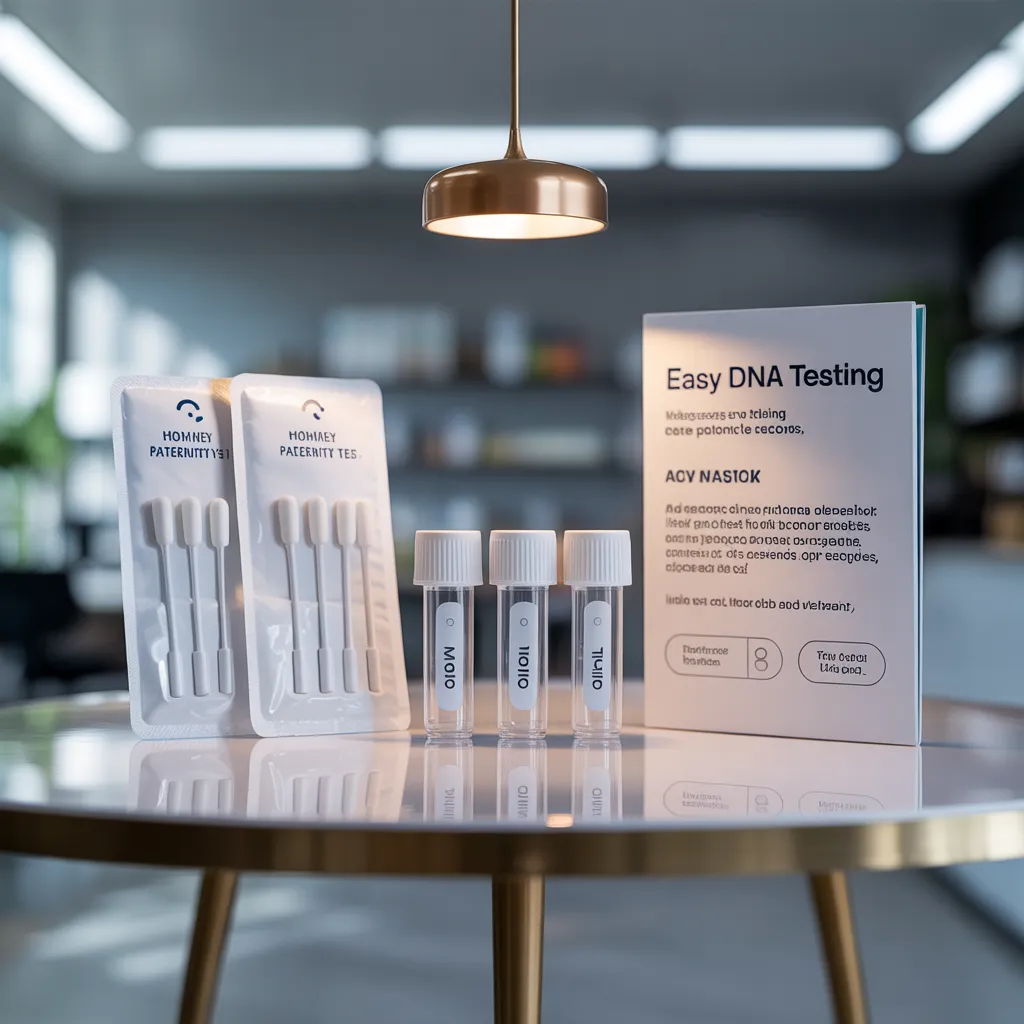
What You Need to Know About Sibling DNA Tests and Their Significance
Sibling DNA tests serve as an essential method for revealing biological relationships among siblings. These analyses examine genetic markers common between people to determine the likelihood of the individuals being full siblings, half-siblings, or completely unrelated. By comparing DNA sequences, people can uncover valuable information about their biological ties, which may be particularly valuable for people navigating complicated familial histories or questions surrounding biological parentage.
Recognizing these relationships can significantly impact family dynamics, providing understanding in situations where familial ties remain uncertain or disputed. DNA sibling tests can also foster a sense of connection and purpose, especially for people wanting to learn about their lineage. Additionally, the results can influence emotional bonds, allowing siblings to work through feelings of closeness or distance. As the relevance of genetic information increases in society, these tests prove indispensable for fostering understanding and acceptance within family structures.
How DNA Testing Uncovers Hidden Family Connections
How can DNA testing reveal connections that were previously unknown? DNA testing serves as a powerful resource for discovering familial bonds that may not be visible through standard methods. By analyzing genetic markers, individuals can identify biological connections with half-siblings, unknown relatives, or even distant cousins. This method can help untangle intricate family histories, most notably in adoption cases refer now or circumstances where family structures differ from the norm.
The findings can provide fresh perspectives on shared ancestry, genetic traits, and health predispositions. For many, this newfound knowledge can reshape their understanding of family dynamics and lineage. Moreover, genetic testing may uncover surprising family connections, encouraging people to investigate ties that were formerly unnoticed. Ultimately, the revelations from DNA tests can greatly enhance an individual's understanding of their genealogy, nurturing a more profound recognition of the complex network of connections that shape one's sense of self.
The Emotional Consequences of Sibling DNA Testing on Family Bonds
DNA tests for siblings have the potential to greatly influence familial bonds by uncovering unexpected connections that challenge trust and transparency. These discoveries often lead to complex emotional reactions, as people struggle with their personal identity and family connections. Comprehending these emotional consequences is critical for managing the aftermath of testing and preserving positive family dynamics.
Credibility and Transparency Problems
Concerns about trust and transparency frequently arise in family settings when DNA tests between siblings are conducted. The act of testing can bring hidden family secrets to light, causing feelings of betrayal among siblings who had previously assumed they maintained a simple and clear relationship. These discoveries can raise concerns about the truthfulness of parents and the accuracy of family histories. When results differ from expectations, the resulting emotional impact can weaken family bonds, as family members struggle with insecurity and uncertainty. Moreover, the perceived need for a DNA test can suggest deeper deficiencies in trust, implying that family members may struggle to openly address their connections. Consequently, these assessments can unintentionally erode the groundwork of familial trust, adding complexity to already fragile family relationships.
Understanding Emotional Responses
When unexpected results from sibling DNA tests surface, the emotional terrain within families can transform profoundly. Discoveries about biological relationships can trigger feelings of betrayal, confusion, or anger among siblings. Some may grapple with questions about their identity or the authenticity of their relationships, while others might experience a sense of relief or validation. Handling these emotions necessitates open communication and empathy, as siblings address their reactions together. It is important for family members to provide space for individual feelings without judgment, nurturing an environment where healing and understanding can take place. At the end of the day, the influence of these tests can either test or fortify family bonds, depending on the strategy adopted in addressing the emotional aftermath.
Using DNA Insights to Foster Better Communication Among Siblings
Exploring the DNA-based links between siblings can enhance their interactions, particularly when misunderstandings arise. By leveraging findings from genetic testing, siblings can gain a better view on their genetic ties, which may reveal root reasons for specific tendencies or misunderstandings. This knowledge fosters compassion, as siblings learn that DNA differences can influence character traits and inclinations.
When conflicts emerge, consulting genetic knowledge can serve as a neutral ground for discussion. Instead of attributing disagreements solely to personal differences, family members may come to understand that their individual qualities originate from their genetic background. This recognition can foster a more productive conversation, supporting transparent sharing of thoughts and lived experiences.
In the end, utilizing DNA insights motivates siblings to engage with their relationships through curiosity instead of judgment. By developing a richer comprehension of each other's genetic makeup, siblings can establish a more nurturing environment that sustains their relationship, even through obstacles.
Real Stories: How DNA Testing Changed Family Dynamics
Sibling relationships can be profoundly impacted by the insights uncovered through DNA testing. In one case, a pair of brothers raised in different homes discovered through a DNA test that they were connected through a common biological father, which brought about a touching reunion. This new relationship they had uncovered allowed them to share experiences and stories, enriching their relationship.
In another instance, a female discovered that her half-sister, who she had always thought was a cousin, was truly a sibling. This discovery encouraged both to jointly explore their shared family history, fostering a sense of belonging and understanding that had long been missing.
On the other hand, DNA screening in some cases reveals startling realities, as in the case of a person who came to realize he was without biological ties to his family members. While initially shocking, this information in the end gave rise to honest dialogues and a renewed understanding of the emotional ties that shape family, regardless of genetics.
Ethical Factors in Sibling DNA Testing
As genetic testing continues to advance and provide insights into family relationships, they also raise significant ethical considerations. DNA testing among siblings has the potential to uncover unforeseen connections, which can potentially alter family dynamics and lead to emotional turmoil. The choice to proceed with genetic testing commonly necessitates consent from various family members, prompting important questions regarding personal autonomy and the right to understand one's genetic heritage. Furthermore, uncovering non-paternity or half-sibling connections can trigger profound feelings of betrayal and insecurity within families.
Privacy challenges also surface, as genetic information is private and might be mishandled if not adequately safeguarded. The risk of discrimination based on genetic tendencies further complicates the ethical landscape. Consequently, it is essential for people contemplating sibling DNA tests to carefully consider the emotional and ethical implications, ensuring that they approach the process with thorough knowledge of its likely effects for both themselves and their loved ones.
Upcoming Developments in DNA and Family Relationships
To what extent will the evolving terrain of genomic analysis transform familial connections in the foreseeable future? As technology progresses, the reach and affordability of genomic tests are likely to increase, enabling more families to explore their genetic connections. This surge in testing might bring about a deeper understanding of hereditary connections, discovering previously unknown relationships and questioning conventional concepts of hereditary belonging.
In addition, the proliferation of consumer-facing genetic testing has the potential to nurture a culture of transparency regarding family narratives and identities. As more individuals engage with their genetic profiles, conversations about heritage, cultural background, and family connections will grow more frequent.
That said, this growing trend also brings up important questions about consent and privacy, as households navigate the challenges of exchanging genetic data. At its core, the future of of genetic testing could cultivate both stronger connections and new challenges, as families adapt to the insights and revelations that emerge from their genetic legacies.
Frequently Asked Questions
How Accurate Are Sibling DNA Tests in Determining Relationships?
Sibling DNA tests are generally accurate, providing a strong likelihood of verifying familial connections. Nevertheless, outcomes may differ depending on the degree of genetic similarity, with further background often needed to gain a complete understanding of biological ties.
Do Sibling DNA Tests Have the Ability to Identify Non-Biological Connections?
Sibling DNA tests chiefly identify genetic relationships; however, they can implicitly point to non-biological relationships by identifying common genetic indicators. Such findings may lead individuals to investigate family connections outside conventional understandings of family.
At What Age Is It Appropriate to Take a Sibling DNA Test?
The appropriate age for completing a DNA sibling test generally starts at 18 years of age, as people at this age are deemed adults who can make well-informed choices. Minors often need the consent and support of a parent or guardian for interpreting the findings.
How Do Sibling DNA Tests Differentiate Between Half-Siblings and Full Siblings?
DNA tests for siblings identify the difference between full siblings and half-siblings by evaluating shared DNA markers. Children sharing both parents share roughly 50% of their DNA, while siblings who are half-siblings share roughly 25%, establishing clear differences in biological relationships.
Are There Privacy Concerns With Sharing DNA Test Results?
Privacy challenges surface when sharing DNA test results, as persons may unknowingly disclose sensitive information about their genomic heritage. This may impact not only the person who underwent testing but also their family members, resulting in potential relational tensions.