Develop Your Perfect Birth Experience Using Our Custom Birth Plan Template
Developing a delivery plan is a vital step in preparing for childbirth. It offers clarity on preferences and fosters communication with medical professionals. A properly organized template can simplify this process, ensuring that vital elements are not overlooked. This approach not only alleviates anxiety but also assists partners and family members. Understanding the key components of a birth plan can make a significant difference in the overall experience. What should one take into account when crafting their plan?
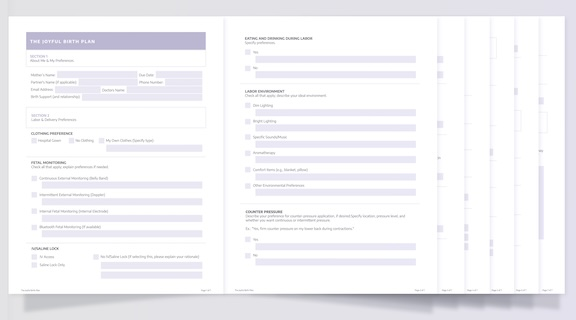
Why a Birth Plan Is Crucial: Essential Benefits
Creating a delivery plan captures the essence of preparation and empowerment. This paper serves as a guide for expectant parents, outlining their preferences and wishes for the labor and delivery experience. One key advantage is improved communication between the birthing person and healthcare providers, making sure that everyone is aligned on the chosen approach. Additionally, a birth plan helps to reduce anxiety by providing a feeling of empowerment over the birthing process, enabling individuals to focus on the experience rather than doubt.
Furthermore, developing a birth plan enables informed decision-making, as parents often examine their options in advance. This preparation establishes a supportive environment, as partners and support teams can better champion for the birthing individual's wishes. Ultimately, a carefully developed birth plan not only improves the overall experience but also results in a positive emotional outcome, making it an crucial part of the journey into parenthood.
Critical Items for Your Birth Plan: What to Cover
A complete delivery blueprint should cover many important elements that demonstrate the preferences and values of the expectant parents. Key components include the place of birth, such as preferences for a hospital, birth house, or home birth, alongside preferred companions. Parents should detail pain management alternatives, specifying tastes for natural techniques or medication.
Additionally, the plan must cover labor options, including activity during labor, stances for delivery, and the use of tools like birthing balls or water. It is also important to include post-birth wishes, including skin-to-skin contact, cord clamping, and newborn procedures.
At last, parents should examine contingencies for unanticipated circumstances, such as cesarean delivery or difficulties. By thoughtfully including these elements, expectant parents can establish a detailed birth plan that serves as a framework for their delivery and labor experience.
How to Use Our Personalized Birth Plan Template
Preparing for childbirth may feel daunting, though a custom birth plan template makes easier the process by supplying a structured format for expectant parents to state their preferences. To begin, parents should collect essential information, including their medical history and any specific requests related to labor and delivery.
Next, they can complete the template, tackling key areas such as pain management options, preferred support persons, and post-delivery care. It's crucial to be clear and concise, making certain healthcare providers understand their wishes.
After finishing, parents should assess the delivery strategy with their medical professionals to ensure agreement. This interactive dialogue resolves any concerns and creates a nurturing setting.
In conclusion, it is essential for parents to preserve the labor plan on hand and transmit them to their support network, confirming that all participants stays informed and prepared for the delivery event.
Adjusting a delivery outline for unexpected situations calls for a mindset of flexibility and flexibility. Open communication with the medical personnel is essential to address any shifts that could occur during labor. By preparing for the unforeseen, people can keep a feeling of agency and backing throughout the birthing process.
Adopt Flexibility And Responsiveness
Recognizing that childbirth can be uncertain, many expectant parents find it essential to remain flexible with their delivery plans. Circumstances may change quickly, requiring adjustments to initial preferences. For example, unforeseen health complications or changes in the infant's positioning can result in different medical procedures. Acknowledging this fact allows families to concentrate on the complete journey rather than specific outcomes. Embracing flexibility means recognizing that the labor process can still be positive, even if it departs from the original plan. Parents are encouraged to prepare mentally for different situations, cultivating a outlook that prioritizes health and safety over rigid expectations. In the end, adaptability can improve the birthing experience, allowing families to respond to their particular circumstances with assurance and comfort.
Interact With Your Team
Strong conversation with the birthing team is essential for controlling unexpected situations during labor. A well-prepared birth plan should include clear guidelines for preferences but remain open to adjustments based on circumstances. It is vital for the birthing person to express their needs and concerns, ensuring that the team understands their priorities. Regular check-ins can facilitate this dialogue, allowing for real-time updates and decisions. Additionally, using simple language and asking questions can help clarify any uncertainties. The birthing team should also be encouraged to share their observations and recommendations, fostering a collaborative atmosphere. By maintaining an open line of communication, the birthing person and their team can adapt effectively, ensuring a supportive environment despite unforeseen changes.
How can you Discuss Your Birth Plan to Your Healthcare Team?
Although providing a birth plan may seem daunting, it is important for confirming that a healthcare team grasps a patient's preferences and needs during labor and delivery. To start this process, the patient should book a dedicated appointment with their healthcare provider to examine the birth plan in detail. This allows for an honest exchange where questions can be resolved and adjustments made.
Providing a written copy of the birth plan is vital, as it serves as a tangible reference for the team. Patients may also consider giving the plan with the hospital staff upon admission, ensuring that everyone involved is aware of their wishes. Additionally, reviewing the plan with a background information partner or support person can help reinforce communication and advocacy during labor. Ultimately, proactive sharing of the birth plan encourages collaboration and improves the likelihood of a positive birth experience.
Subsequent Actions After Finalizing Your Plan
After the birth plan has been completed and communicated with the healthcare team, the next steps involve implementing your preparations. The expectant parents should ensure that all necessary items for the hospital or birthing center are packed, including personal comfort items and any specific tools outlined in the plan. It is also vital to communicate the birth plan to support persons, making sure everyone comprehends their roles during labor and delivery.
Moreover, parents should schedule any last consultations with health professionals to address any questions or concerns. Participating in maternity education classes can also prove beneficial, offering insights that match the birth plan.
To summarize, keeping flexibility is vital, as situations may develop in unexpected ways. Periodically assessing and conversing about the plan with the care providers can help assure that everyone stays aligned on the family's preferences, fostering a helpful climate during the childbirth process.

Popular Queries Asked Regularly
Can I amend My Birth Plan after It's Been Established?
Yes, a birth plan can be modified after its inception. Flexibility is crucial as scenarios change. People are encouraged to relay any revisions with their healthcare team to guarantee everyone is coordinated with their preferences.
What if My Delivery Strategy Conflicts With Medical Recommendations?
If a delivery strategy contradicts medical advice, it's crucial to address worries with medical professionals. Prioritizing well-being and safety may require modifications, making sure that the plan conforms to expert suggestions for the optimal results.
What Level of Detail Should My Birth Plan Include?
A birth plan should be sufficiently comprehensive to convey preferences but yielding to accommodate contingencies. Including core preferences for active labor, delivery, and maternal recovery care secures comprehension while allowing medical teams to fine-tune as needed.
Do Medical Professionals Suggest Delivery Plans for C-Sections?
Birth plans are recommended for C-sections, as they help outline preferences and expectations, including pain management choices, post-operative care, and newborn procedures. This transparency can improve communication between the patient and the medical team.
Can Spouses or Relatives Add to the Delivery Plan?
Yes, partners or family members can take part in the birth plan. Their involvement ensures that varied viewpoints and wishes are considered, assisting in creating a more caring and customized experience during childbirth.